
Why a Reliable Earthing System Matters
An earthing system gives fault and lightning current a safe, low-resistance path to ground. It limits the voltage that can appear on metal enclosures and structures, lets protective devices clear faults quickly, and protects people and equipment in power distribution, substation, solar, industrial and building installations. It is also the foundation of any lightning protection system, which can only perform as well as the earthing beneath it.
Poor earthing shows up as equipment damage, nuisance tripping, unplanned downtime and shock risk, and it is costly to correct once a site is built. Every site differs in soil, fault level and layout, so earthing material should be supplied to the site's requirement, in the right material, size and finish for the installation. A well-built earthing system with compliant material should last the life of the installation, keeping upkeep, testing and repair costs low.
Earthing Material
GI earthing plates, strips and wires
Galvanised iron is a common choice for plant, substation and solar earthing, and our GI plates, strips and wires are made to IS 4759. Plates are buried in an earth pit to form the electrode that disperses fault and lightning current into the ground, while strips and wires act as earthing and bonding conductors, linking equipment, structures and electrodes into a single earthing network. The zinc coating protects the material from soil corrosion, which keeps the system reliable over the life of the installation.
GI earth electrodes and earthing pipes
Where earth resistance has to be held within a specified limit, we supply GI earth electrodes and GI pipe to IS 1239. Electrodes are installed in earth pits, and pipe is used for pipe electrodes, giving designers a choice of electrode type to suit the soil conditions, the space available and the resistance the installation must achieve.
Copper and chemical earthing
Where the specification or site conditions call for it, we supply copper earthing material as per client specification, valued for its high conductivity and corrosion resistance. For high-resistivity soil, where a standard electrode alone struggles to reach the required resistance, chemical earthing systems offer another route to a low-resistance earth.
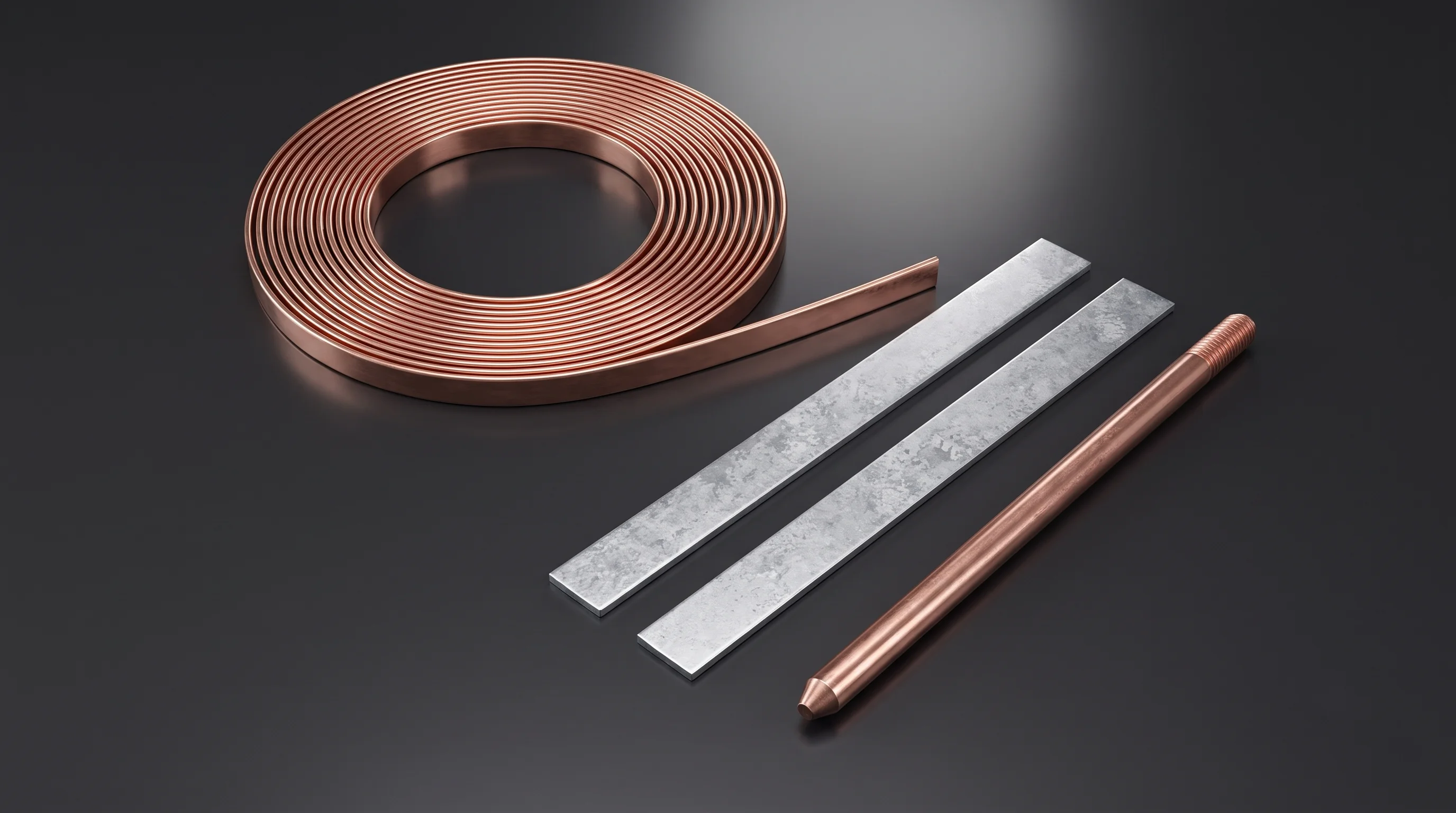
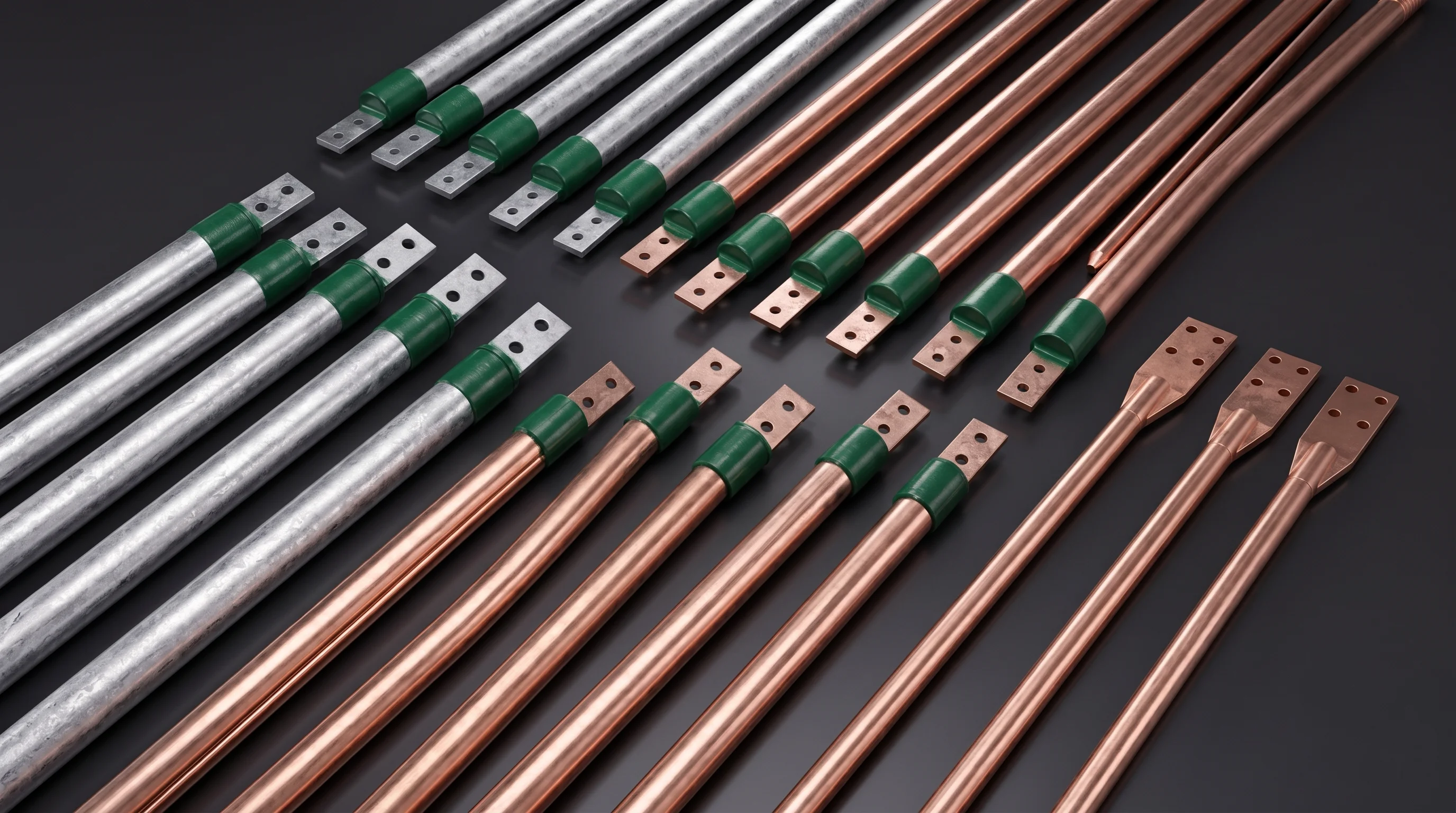
Choose earthing material made to your requirement, in the size and finish your earthing design calls for.
Earthing Fixings and Clamps
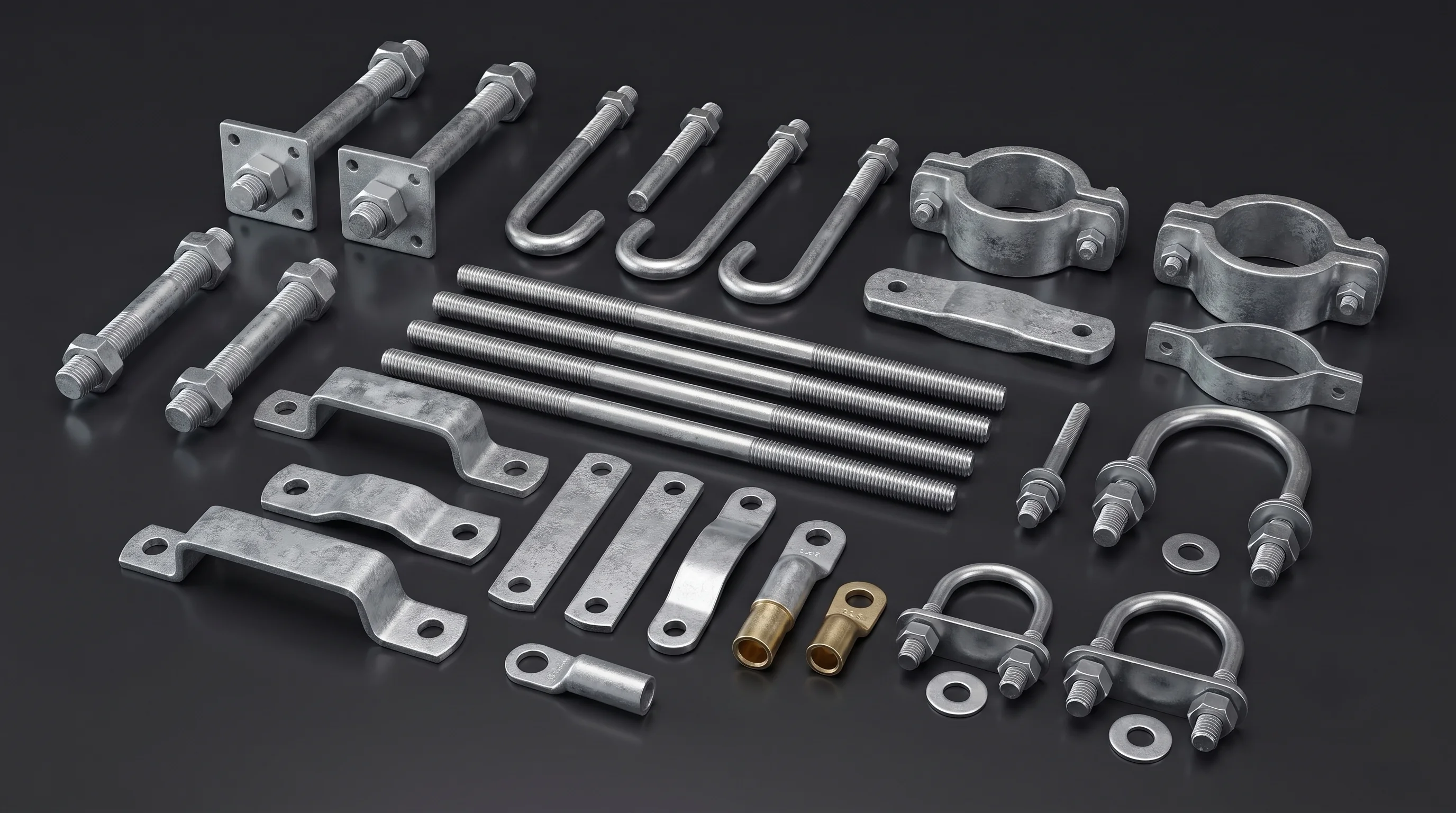
Beyond the earthing material itself, a complete system needs the right fixings and clamps. We supply foundation bolts, threaded rods, pipe clamps, and U clamps and bolts to secure and bond earthing conductors, electrodes and pipes to structures, supports and foundations.
Choose clamps and fixings supplied together with your earthing material, so one order covers the whole connection.
Made to Indian Standards
Our earthing material is supplied to the Indian Standards that earthing designers and inspectors specify:
- IS 4759: hot-dip zinc coatings on structural steel and allied products, the standard for the galvanised finish on our GI plates, strips and wires.
- IS 1239: steel tubes and fittings, the standard for our GI pipe.
Copper earthing is supplied as per client specification.
Manufacturing and Finish
We manufacture GI earthing material in-house. Fabrication, hot-dip galvanising and testing are all carried out at our own manufacturing unit, so the galvanised finish that protects buried earthing from soil corrosion is controlled from fabrication to dispatch. Sizes and lengths are made to your requirement, and special sizes are made to order.
Earthing FAQs
What is earthing, and why is it needed?
Earthing connects the metal parts of an electrical installation to the ground through electrodes and conductors. It gives fault and lightning current a safe path, limits dangerous voltages on enclosures and structures, and lets protective devices operate.
What is the difference between GI and copper earthing?
GI earthing is galvanised iron, protected from soil corrosion by its zinc coating, and is a common choice for plants, substations and solar sites. Copper offers higher conductivity and corrosion resistance, and is used where the specification or site conditions call for it.
Which earthing materials do you supply?
GI plates, GI strips, GI wires, GI earth electrodes, GI pipe, copper earthing and chemical earthing, along with foundation bolts, threaded rods, pipe clamps, and U clamps and bolts.
Which Indian Standards do you follow?
IS 4759 for GI plates, strips and wires and IS 1239 for GI pipe. Copper earthing is supplied as per client specification.
How is earthing related to lightning protection?
A lightning protection system sends strike current to ground through its earthing, so it can only perform as well as the earthing beneath it. Compliant earthing material is essential to meeting lightning protection requirements.
When is chemical earthing used?
Chemical earthing is used in high-resistivity soil, where a standard electrode alone has difficulty reaching the required earth resistance.
Can you make earthing material to our requirement?
Yes. As a manufacturer, we make earthing material to your requirement, with fabrication, galvanising and testing done in-house.
How do I request a quote?
Send your drawing or BOQ through the contact page or email info@swastikindustries.co.in.